
Are Marketing and Advertising the Same Thing? Unpacking the Difference
In the dynamic world of business, the terms marketing and advertising are often used interchangeably. While they are undoubtedly related and crucial for business success, they are not, in fact, the same thing. Understanding the distinct roles each plays is essential for any business, especially for those looking to optimize their promotional efforts and achieve their strategic goals.
At our marketing agency, we frequently encounter this confusion, and clarifying it is the first step toward building a truly effective strategy for our clients. Let’s break down the key differences.
Marketing: The Big Picture
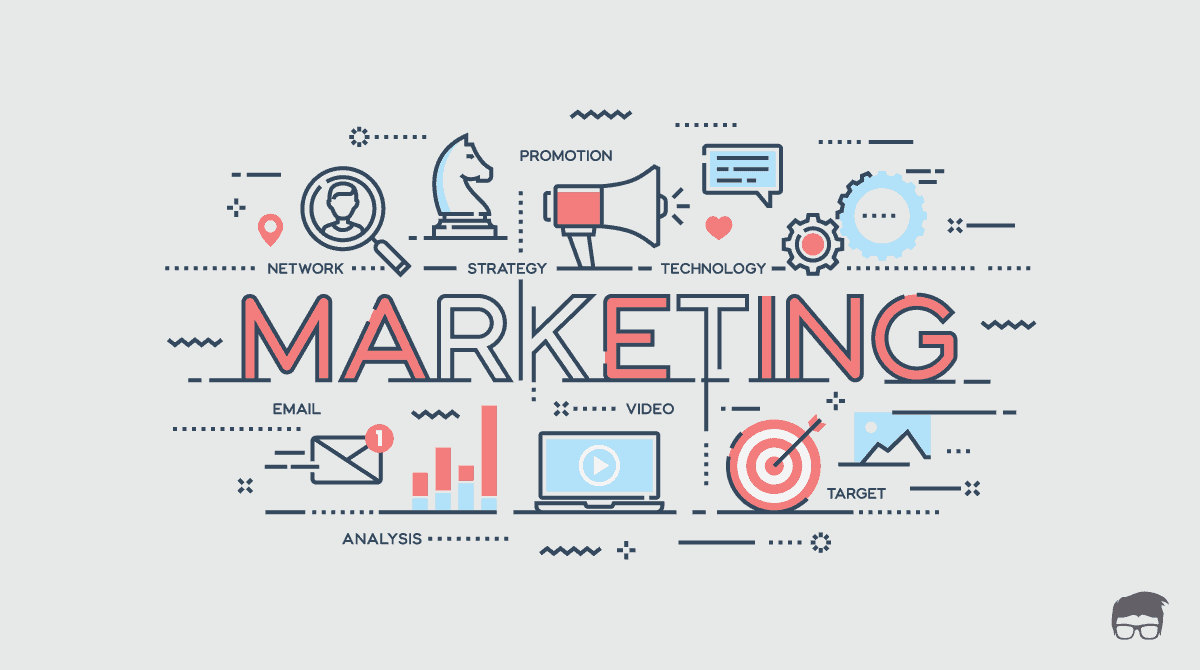
Think of marketing as the overarching strategy that encompasses every activity a company undertakes to promote and sell products or services to consumers. It’s a comprehensive and long-term process that begins long before a product is even created and continues long after a sale is made.
Marketing involves a deep understanding of your target audience, market trends, and competitive landscape. It’s about identifying customer needs and wants, developing products that meet those needs, pricing them appropriately, and determining the best channels for distribution.
Key elements of a robust marketing strategy include:
- Market Research: Understanding your ideal customer, their behaviors, preferences, and pain points.
- Product Development: Creating or refining offerings based on market demand.
- Pricing Strategies: Setting competitive and profitable prices.
- Distribution: Deciding how and where your products or services will be available.
- Branding: Shaping your company’s image, values, and identity.
- Public Relations (PR): Managing your company’s reputation and relationships with the public.
- Content Marketing: Creating valuable and relevant content to attract and engage a target audience.
- Digital Marketing: Utilizing online channels like SEO, social media, and email marketing.
Essentially, marketing is about creating value for your customers and effectively communicating that value to them. It’s a holistic approach to getting your product or service from concept to customer satisfaction.
Advertising: A Piece of the Puzzle
Advertising, on the other hand, is a specific component or a tactic within the broader marketing umbrella. It refers to the paid promotional efforts used to persuade an audience to take some form of action, such as purchasing a product, visiting a website, or calling a business.
Advertising is the direct communication of your marketing message to your target audience through various media channels. It’s the visible output of your marketing strategy.
Common forms of advertising include:
- Traditional Advertising: TV commercials, radio ads, print ads (newspapers, magazines), billboards.
- Digital Advertising: Search engine ads (PPC), social media ads, display ads, video ads.
- Direct Mail: Promotional materials sent directly to consumers.
- Native Advertising: Ads that blend in with the surrounding content on a platform.
The goal of advertising is to create awareness, generate interest, drive traffic, and ultimately, convert leads into customers. It’s about strategically placing your message where your target audience will see or hear it, and paying for that placement.
The Interconnected Relationship
While distinct, marketing and advertising are inextricably linked. Advertising is the vehicle that delivers your marketing messages to the world. A well-crafted advertising campaign will always be rooted in a solid marketing strategy.
For instance, if your marketing research reveals that your target audience primarily uses Instagram, your marketing strategy might dictate a strong social media presence. Advertising would then be the specific Instagram ad campaigns you run to reach that audience.
Without a comprehensive marketing strategy, advertising efforts can be unfocused and ineffective, leading to wasted resources. Conversely, a brilliant marketing strategy needs effective advertising to reach its full potential and communicate its value proposition to the market.
Why Does This Distinction Matter?
Understanding the difference between marketing and advertising empowers businesses to:
- Allocate Resources Wisely: By knowing what each entails, you can better budget for both strategic development and promotional execution.
- Develop Cohesive Strategies: Ensure all your efforts are aligned with your overall business objectives.
- Measure Effectiveness Accurately: Evaluate the success of individual advertising campaigns within the context of your broader marketing goals.
- Communicate Clearly: Speak about your business initiatives with precision and clarity.
In conclusion, while advertising is a powerful tool for promoting your business, it is just one component of the much larger, more strategic discipline of marketing. At our agency, we specialize in helping businesses develop holistic marketing strategies that integrate effective advertising campaigns to achieve sustainable growth and a strong market presence.
Ready to clarify your marketing and advertising efforts? Contact us today to discuss how we can help your business thrive.